Modeling
Python, Hugging Face Transformers, and PyTorch for loading the base BERT model and fine-tuning it on domain-specific Greek text relationships.
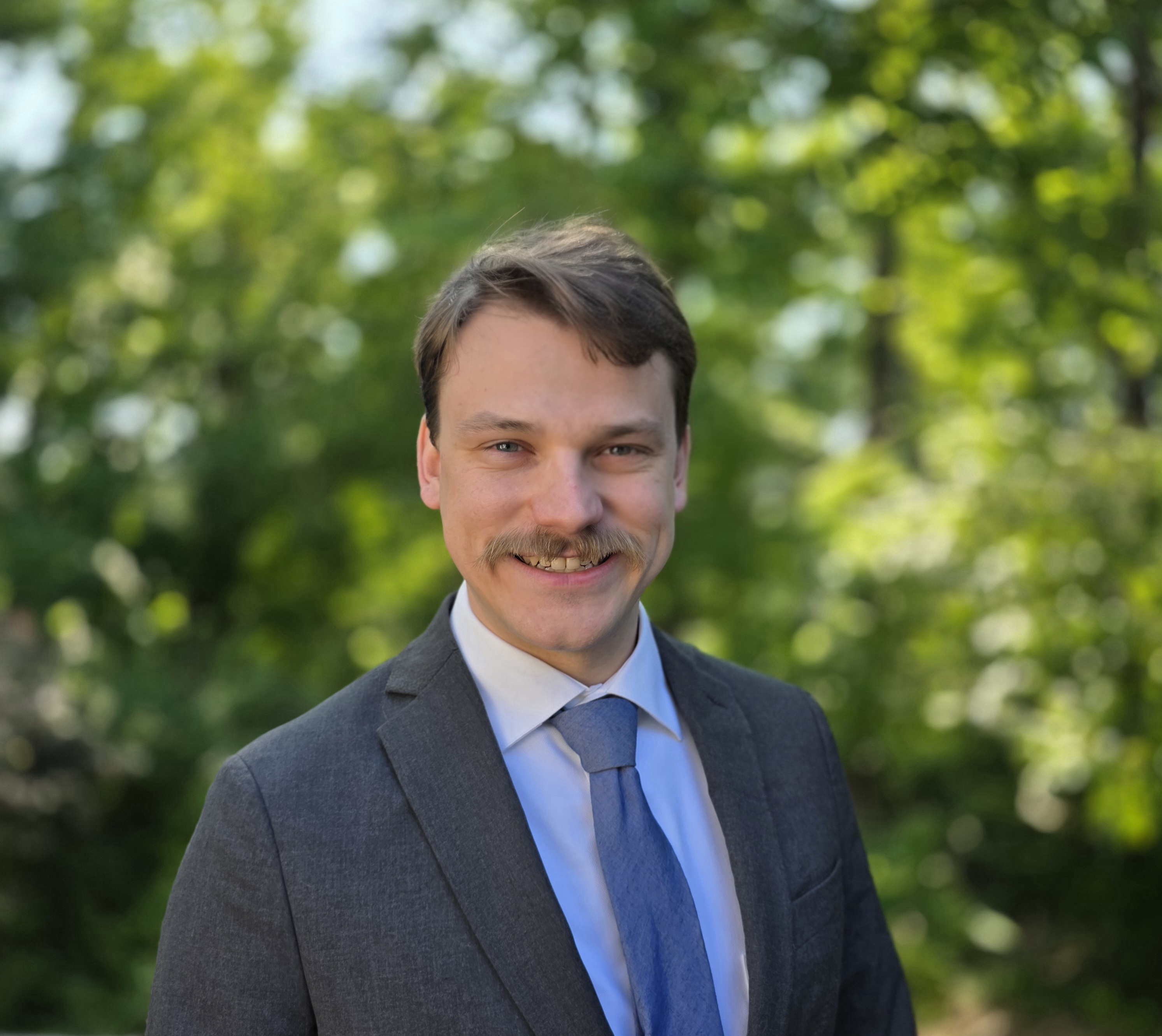
Machine Learning Engineer & Data Scientist
I am a Machine Learning Engineer and Data Scientist with a background in data analysis, NLP, and AI pipeline development. I build scalable machine learning systems that improve visibility into business value, accelerate complex data transformations, and support better decision-making through practical, production-ready workflows.
Focused on Databricks, Azure ML, NLP, and AI pipeline creation for high-impact business workflows.
Methods: CRISP-DM, modern ML lifecycle practices, and AI workflow design.
Leveraged Databricks for data analysis to increase visibility of core business value statements; streamlined model development workflows using Claude to automate complex data transformations, refactor pipeline code, and accelerate feature engineering.
Identified correlations across various datasets to predict labels for client purchases, reducing analyst workload by half; leveraged GPU acceleration, NLP, Azure ML Studio, and modern techniques to predict item categorization, increasing analyst efficiency per line by 5x; implemented Git-based workflows and CI/CD pipelines to manage the full model development lifecycle; adapted a custom LLM NLP model using Hugging Face to heighten the predictive power of unstructured text descriptions by 5–10%.
Worked alongside team members to own the total data quality effort including reports and initiatives; deployed various machine learning models built in Python to aid classification and identify data quality concerns; managed ad hoc data quality concerns from internal and external stakeholders; designed and executed presentations regularly on data quality concerns to stakeholders; assisted in managing rules to classify client expenditures in GL accounts and other financial reporting documents.
Built a book of business containing 50 clients and over 500 contacts that all knew me or were referred to me personally; solely responsible for the entire client acquisition process including marketing, tracking inventory, processing sales, and understanding business ratios; utilized Excel and other software to analyze client financial data and map the best path; responsible for providing personalized, holistic financial planning for each client, including projected net worth, retirement, and risk assessments.
Received an academic scholarship to attend; led the 70-person trumpet section in the Auburn University Marching Band; received a scholarship to play trumpet in the last three semesters; relevant coursework included multiple classes in corporate finance and a capstone course graded on running a simulated company; trained in statistical analyses and machine learning models in both R and Python; trained to be proficient in SQL queries.
Featured project: a fine-tuned Greek semantic analysis demo with a live Hugging Face deployment.
Core tools used to train, evaluate, and deploy the model behind the demo.
Python, Hugging Face Transformers, and PyTorch for loading the base BERT model and fine-tuning it on domain-specific Greek text relationships.
DBT, Pandas, and custom preprocessing scripts for cleaning verses, structuring training pairs, and preparing inputs for tokenization and evaluation.
Notebook-driven iteration with MLFlow and metric review to compare runs, inspect errors, and refine the training data used for semantic similarity. Given more time, I would have preferred a dagster pipeline to set a more consistent workflow.
Hugging Face Spaces for serving the interactive interface so the fine-tuned model can be tested directly in the browser.
This live Hugging Face Space showcases a Greek semantic analysis workflow I built to explore context, meaning, and pattern detection in biblical text. The app uses a model which I fine-tuned from a separate BERT model and is designed to pick up on relationships between texts that we wouldn't be able to identify with traditional keyword search. The interface allows users to input Greek text and receive insights about semantic relationships, thematic connections, and contextual patterns across the corpus.
It is designed as a practical proof-of-concept: test sample inputs, review model behavior, and see how NLP techniques translate into a usable interface. It's not perfect as the model still needs some work, especially regarding the curation of training data on which verses are similar. But you can see that even with a less than perfect curation of training data, it still picks up on some meaningful patterns.
I am a Machine Learning Engineer and Data Scientist with experience in data quality initiatives, AI pipeline creation, and NLP-driven classification workflows. I build scalable Azure and Databricks-based solutions that improve business visibility, speed up analysis, and support more reliable decision-making. Outside of work, I enjoy spending time with my family, playing music, learning about history, and exploring technical topics like electronics and home labbing.
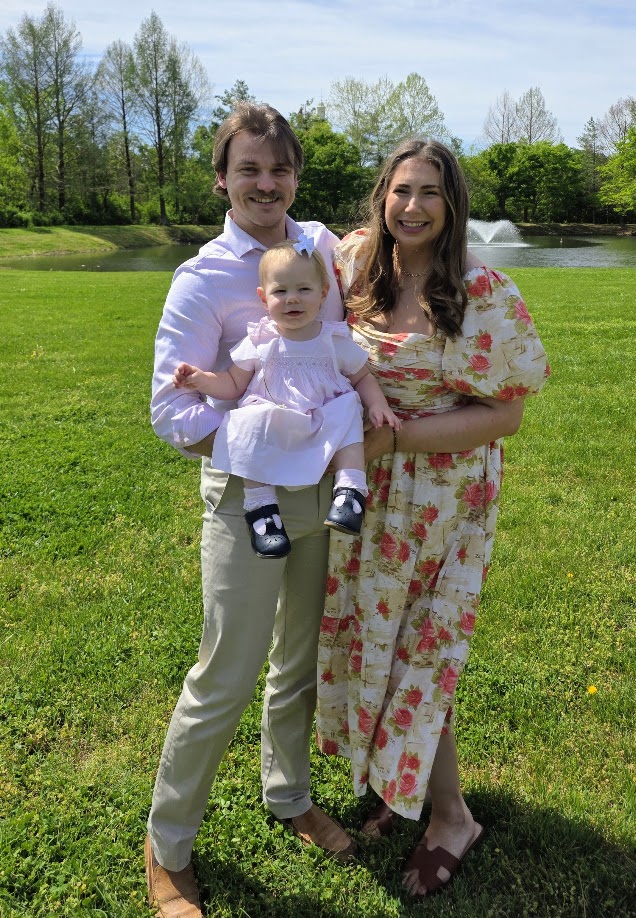
Outside of work, I'm a husband and a dad — the best two jobs I've got.